Cocoa Mass
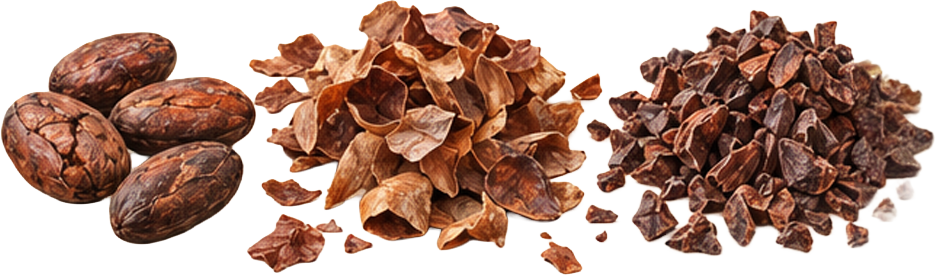
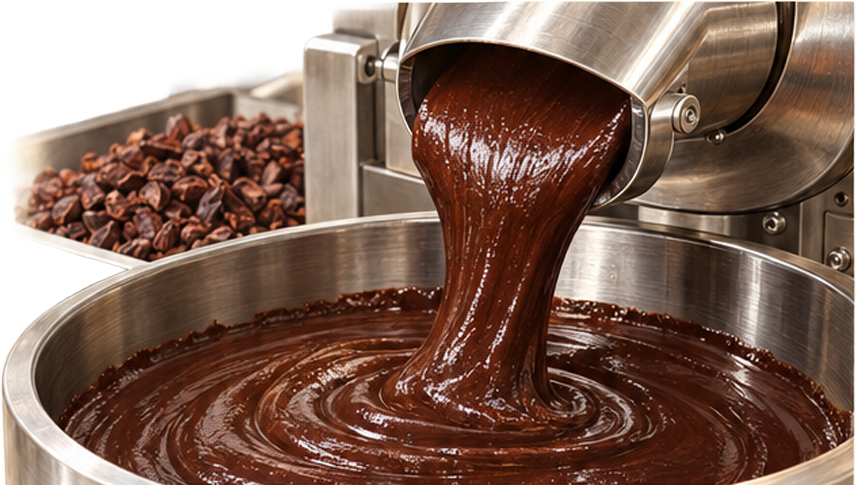
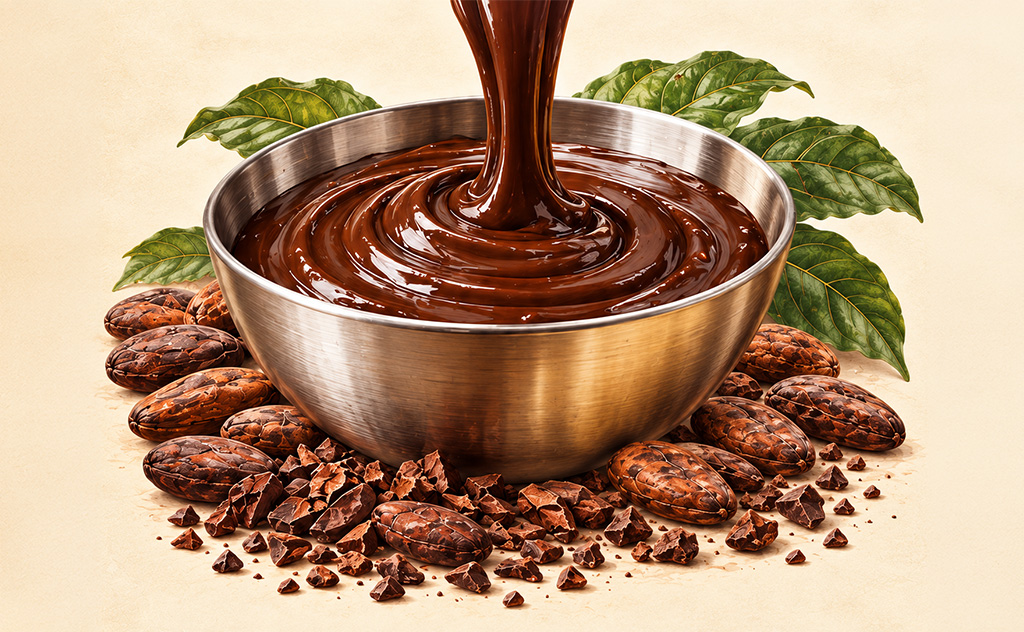
Created by grinding roasted cacao nibs into a flowing paste, cocoa mass contains both cocoa solids and the bean's natural cocoa butter. It forms the foundation of many chocolate recipes.

Sweet Ink · A botanical journey
Before the first bite, before the first idea, there is cacao. Discover the remarkable tree at the beginning of chocolate's story.
Begin at the treeChapter 01
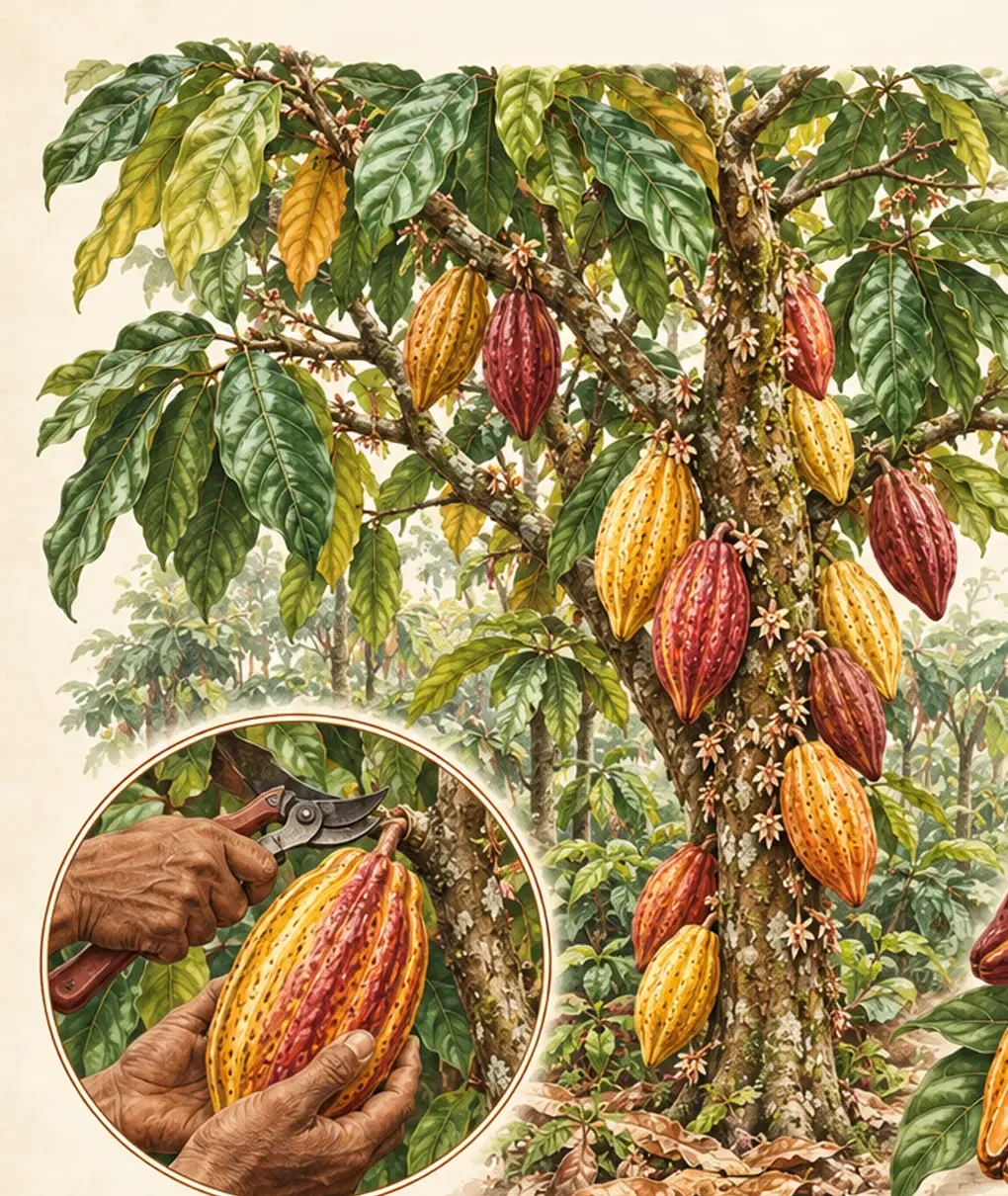
Meet Theobroma cacao, the tropical tree that gives us cocoa beans. Its flowers and colorful pods reveal a story that begins long before chocolate takes shape.
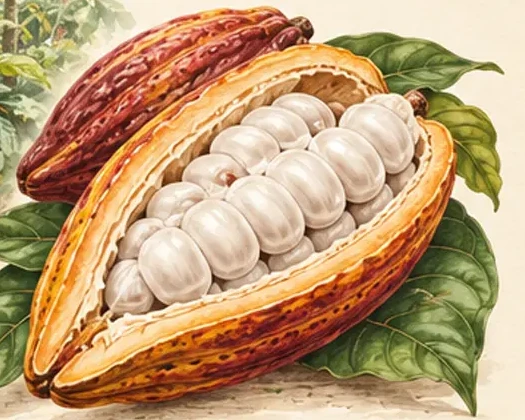
Tiny cacao flowers grow directly on the trunk and older branches. Small insects, including midges, help pollinate them.
As pods ripen, growers carefully cut them from the tree. Opening each pod reveals the seeds inside.
The seeds are surrounded by soft, sweet pulp. These seeds become the cocoa beans used to make chocolate.
Chapter 02
From freshly harvested cacao pods to fermented and dried beans, this remarkable journey helps shape the flavors that eventually become chocolate.
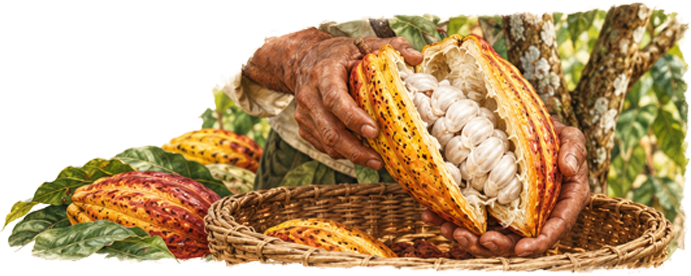
Freshly harvested cacao pods are opened to reveal seeds surrounded by soft, sweet pulp. These seeds begin the transformation from fruit to chocolate.
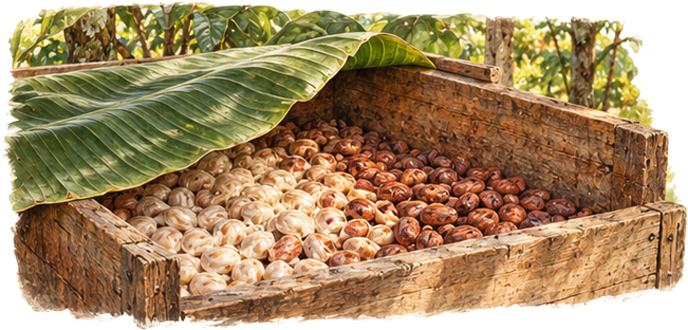
During fermentation, microorganisms transform the sugary pulp, generating heat and creating compounds that help develop chocolate's characteristic flavor.
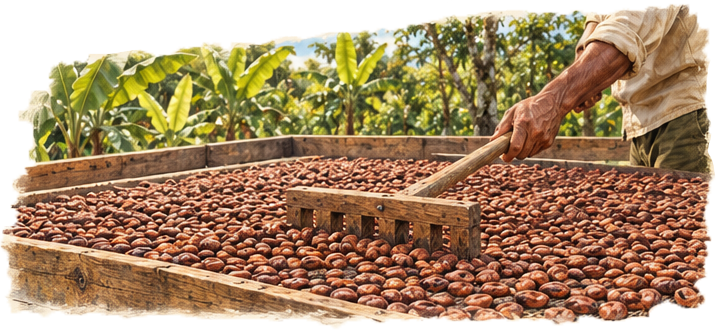
After fermentation, cacao beans are spread out and carefully dried. This reduces moisture and prepares the beans for storage, transport, and further processing.
Chapter 03
Inside every cacao bean is the potential for something extraordinary. Through careful processing, cacao becomes the rich cocoa mass, silky cocoa butter, and finely milled cocoa powder used in countless chocolate creations.
Created by grinding roasted cacao nibs into a flowing paste, cocoa mass contains both cocoa solids and the bean's natural cocoa butter. It forms the foundation of many chocolate recipes.
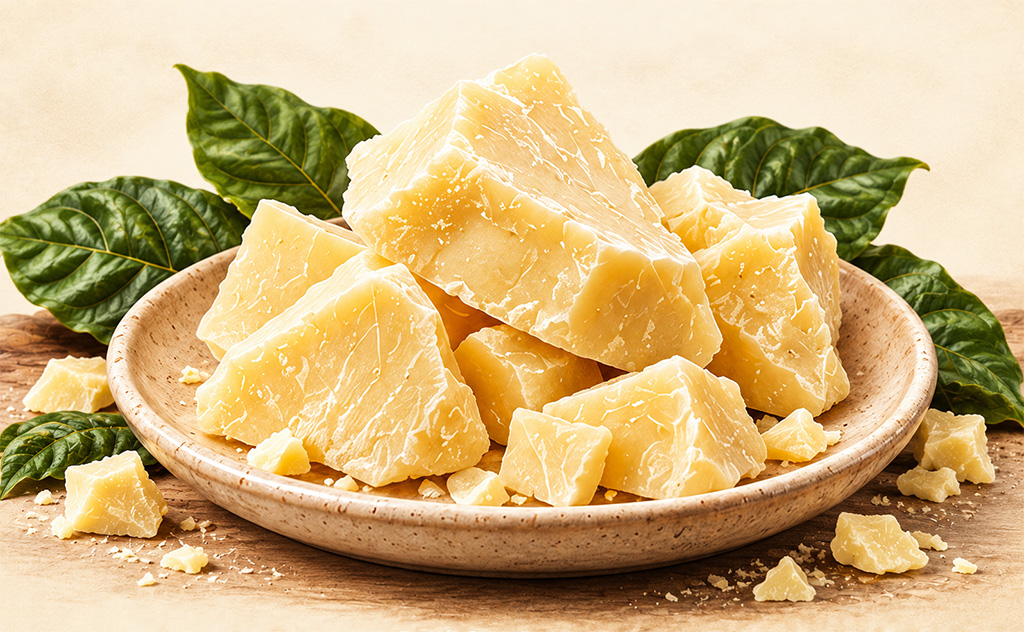
Cocoa butter is the natural fat found in cacao beans. It can be separated from cocoa mass through pressing and contributes to chocolate's smooth texture and characteristic melt.
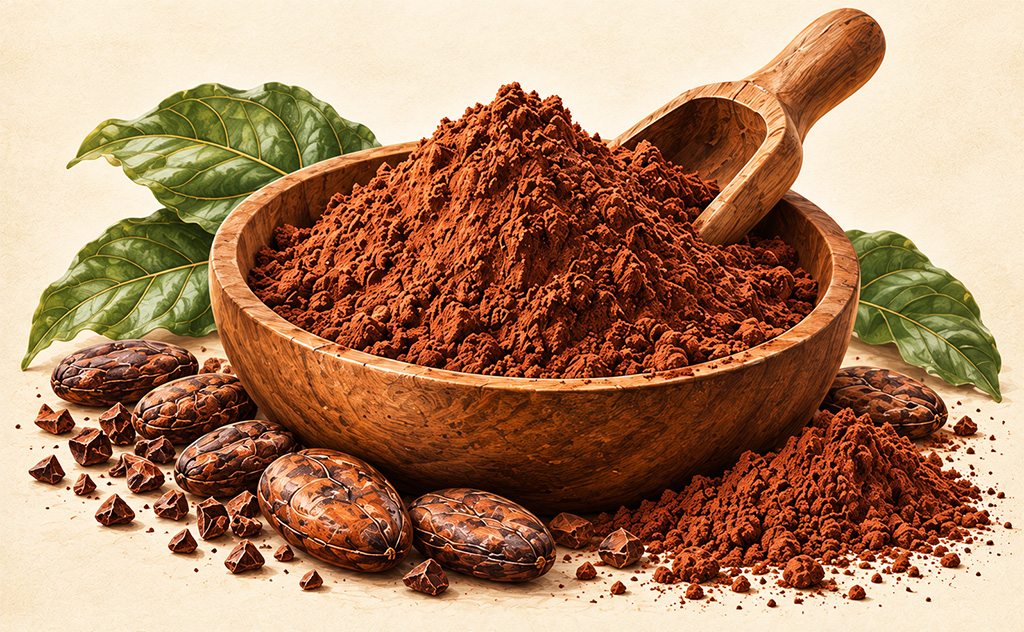
After much of the cocoa butter is pressed from cocoa mass, the remaining cocoa cake can be finely milled into cocoa powder, an essential ingredient in baking, beverages, and desserts.
01 / 03 · Cocoa Mass
From these fundamental ingredients, chocolatiers create an incredible variety of flavors, textures, and experiences.
Chapter 04
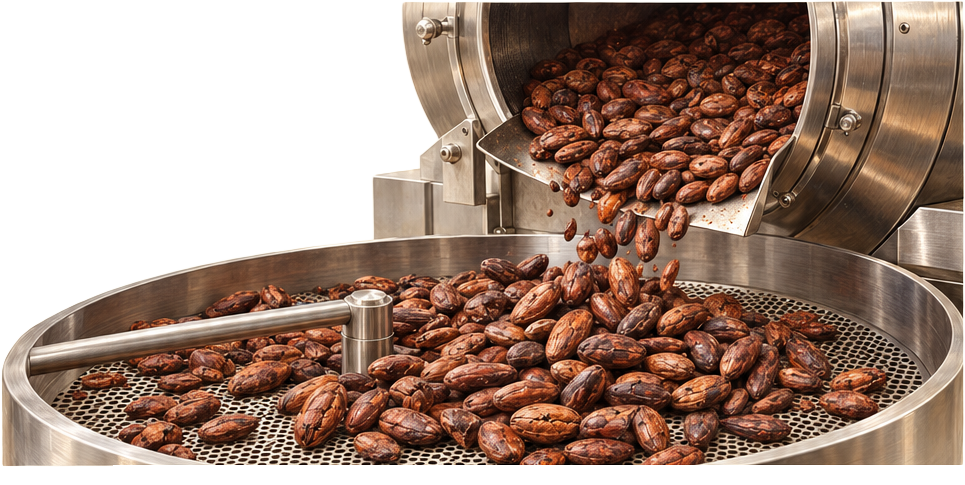
Before cacao becomes chocolate, it passes through a series of essential steps. Roasting develops aroma and flavor, winnowing separates the useful nibs from the shells, and grinding transforms the nibs into smooth cocoa mass.
Stage 01
Carefully controlled heat develops the beans’ aroma and chocolate flavor. Roasting helps unlock the rich character that will carry through the rest of the process.
Chapter 05
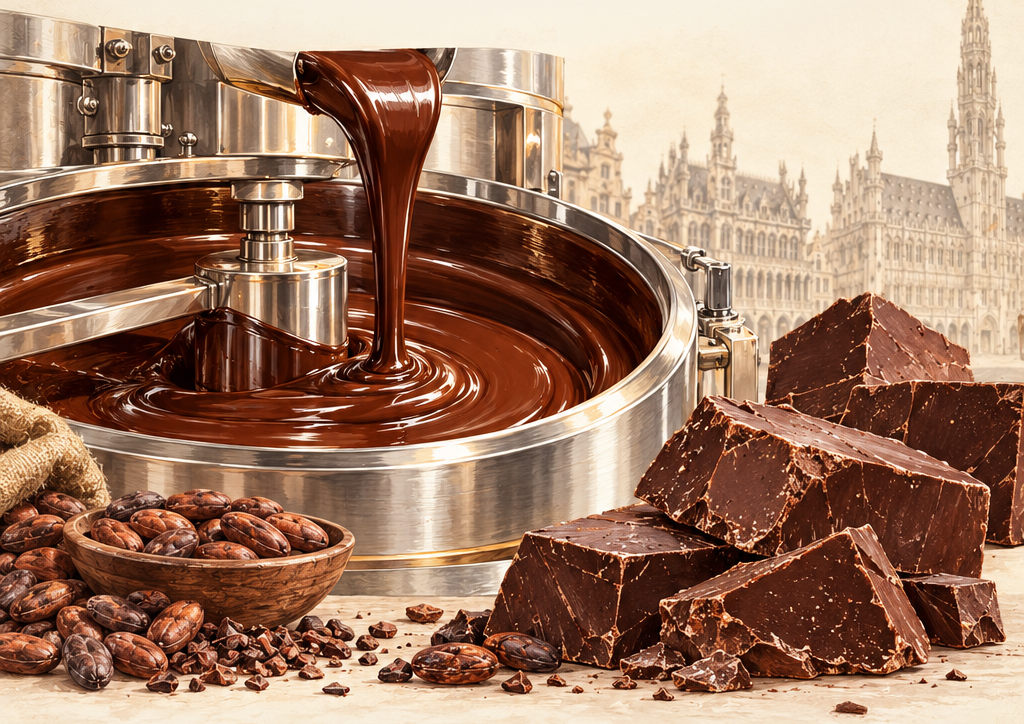
Once cacao has been transformed into cocoa mass, the craft of chocolate making begins to shape its final texture, flavor, and form. Through refining, conching, and forming, chocolate develops into the smooth, versatile ingredient chocolatiers use to create extraordinary confections.
Three finishing stages
From coarse cocoa mass to a smooth, workable chocolate, each stage quietly refines texture, flavor and form.
Stage 01
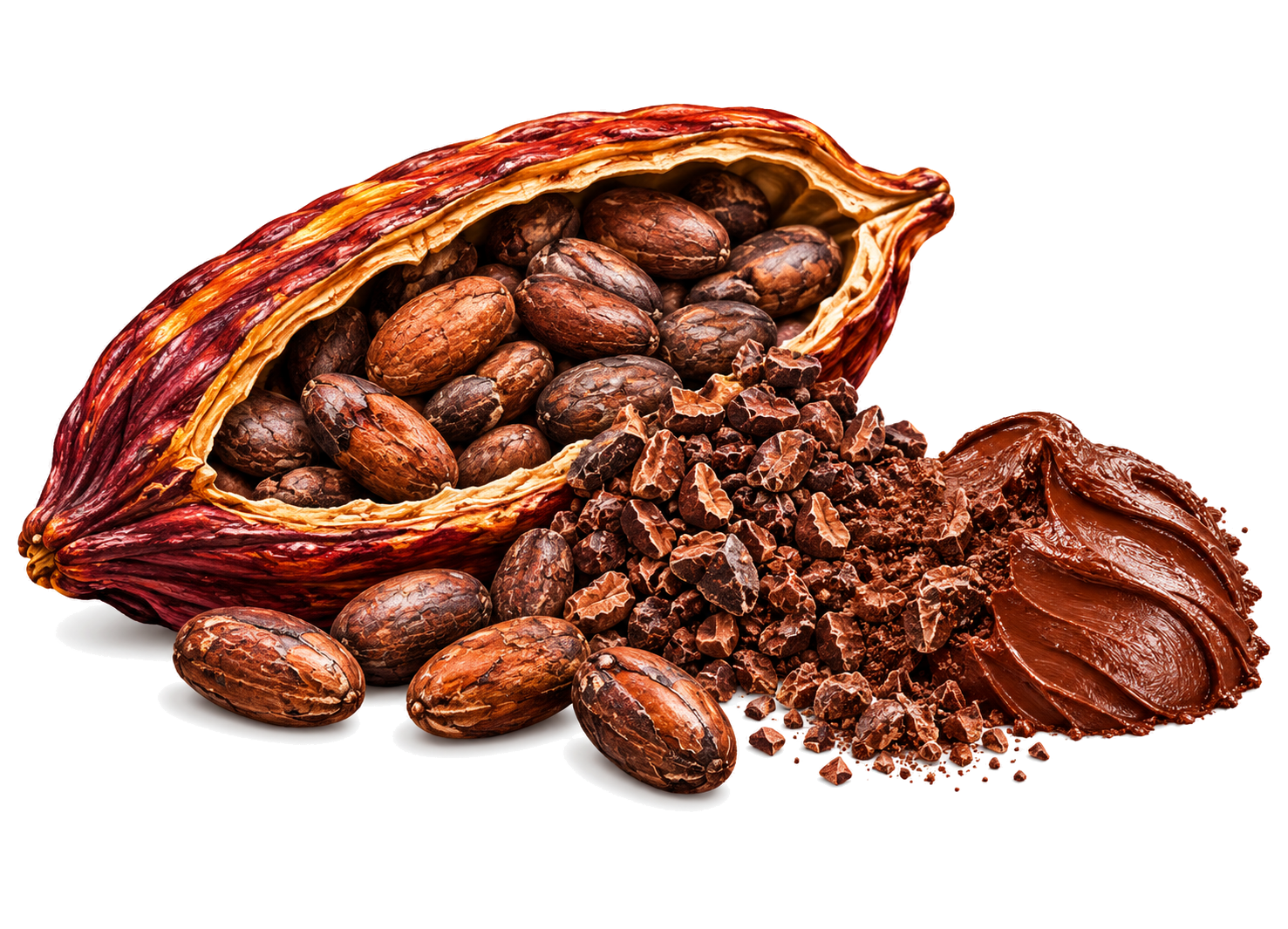
Refining reduces chocolate’s particle size, creating a smoother texture and helping blend the ingredients into a more uniform mass.
Stage 02
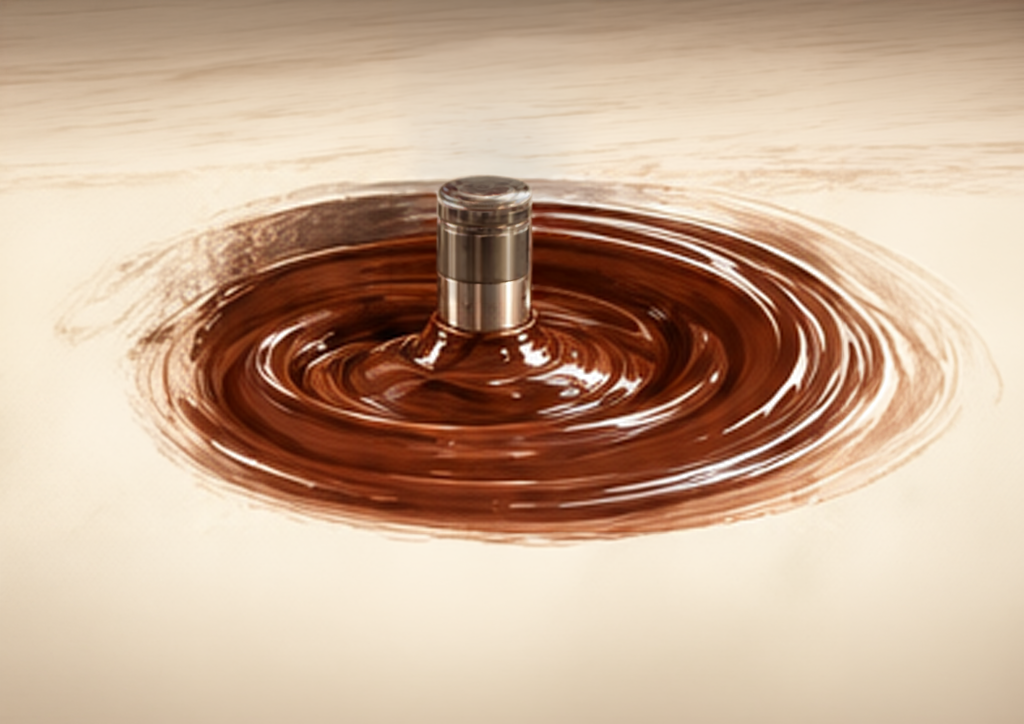
During conching, chocolate is mixed and aerated over time. This step helps develop a smoother mouthfeel while rounding and deepening flavor.
Stage 03
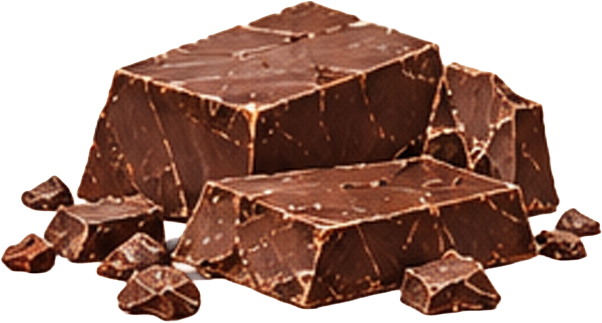
After refining and conching, chocolate can be portioned into blocks or pieces, creating a workable form for chocolatiers and further chocolate applications.
Chapter 06
Tempering: The Science Behind Beautiful Chocolate
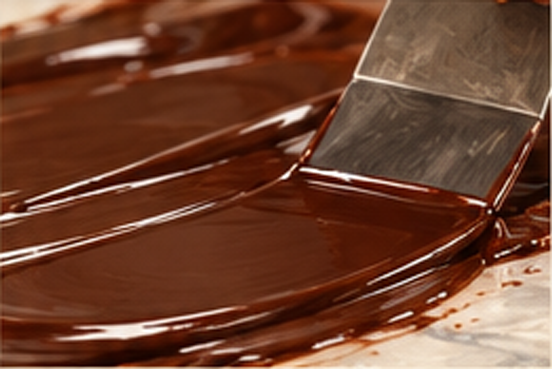
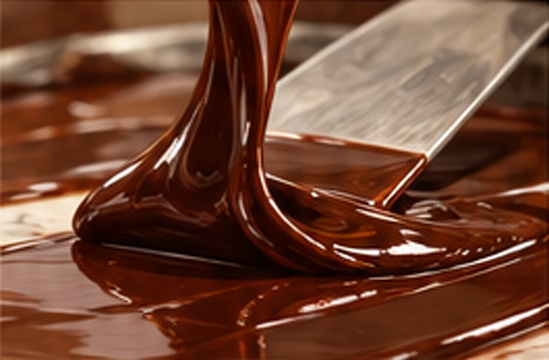
Beautiful chocolate is more than a matter of taste. Through a carefully controlled process called tempering, chocolatiers manage the crystallization of cocoa butter to create chocolate with a glossy finish, a satisfying snap, and a beautifully smooth melt.
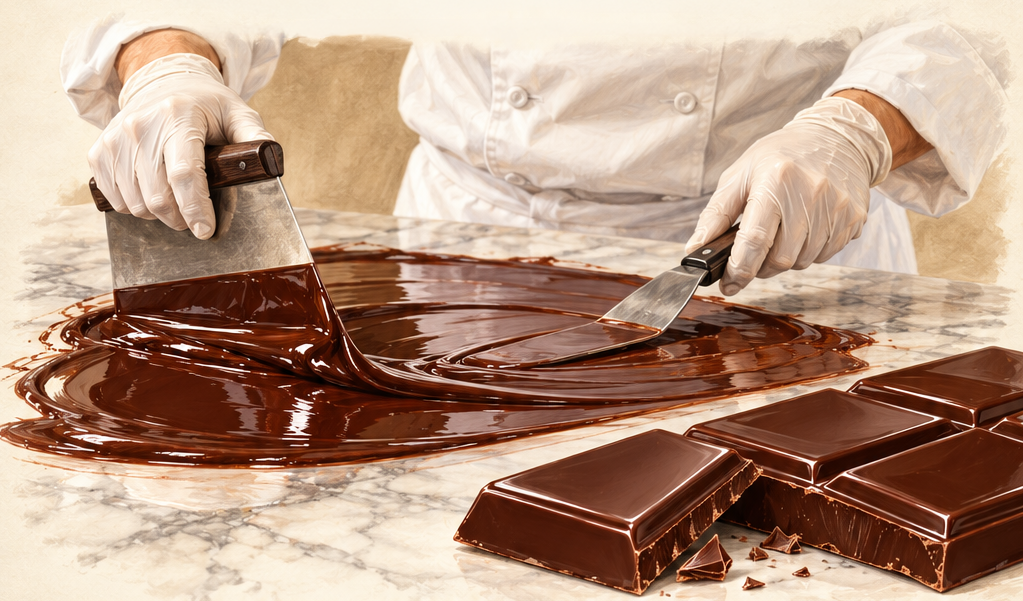
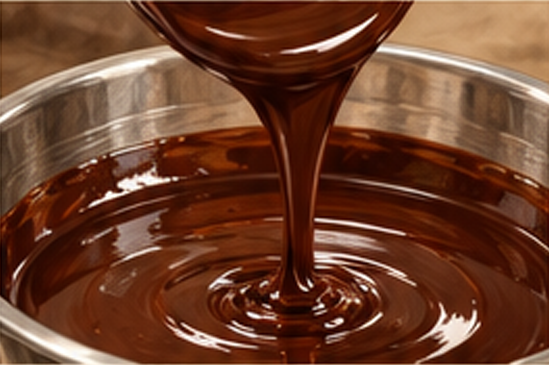
Stage 01
Chocolate is gently heated to melt existing cocoa butter crystal structures, preparing it for controlled cooling and tempering.
When chocolate is properly tempered, its carefully controlled crystal structure contributes to the qualities that make beautifully finished chocolate so distinctive.
Chapter 07
Three Expressions of the Cacao Bean
From the deep intensity of dark chocolate to the creamy sweetness of milk and the delicate richness of white, each variety offers a distinctive expression of cacao.
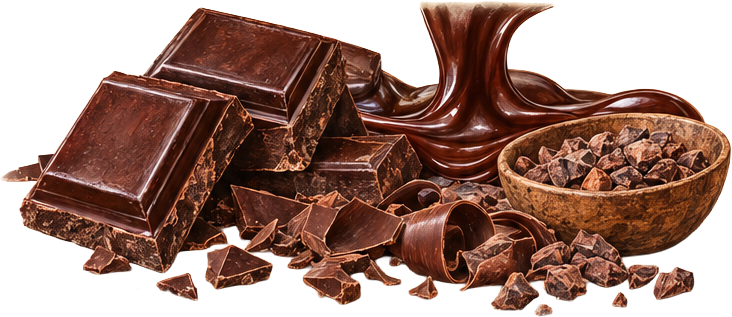
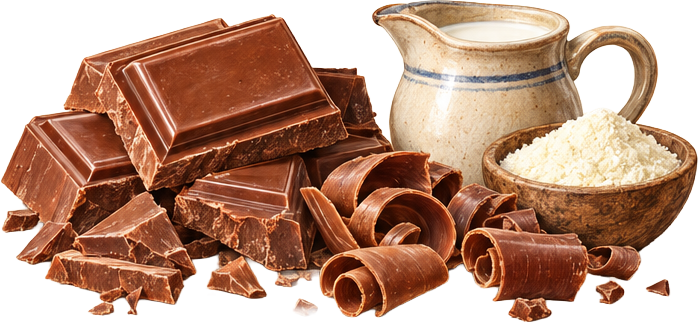
Rich, intense, and beautifully complex, dark chocolate is made from cocoa mass and sugar, often with additional cocoa butter. The balance of these ingredients shapes its distinctive flavor and sweetness.
Your photos, messages and artwork, printed on chocolate.